
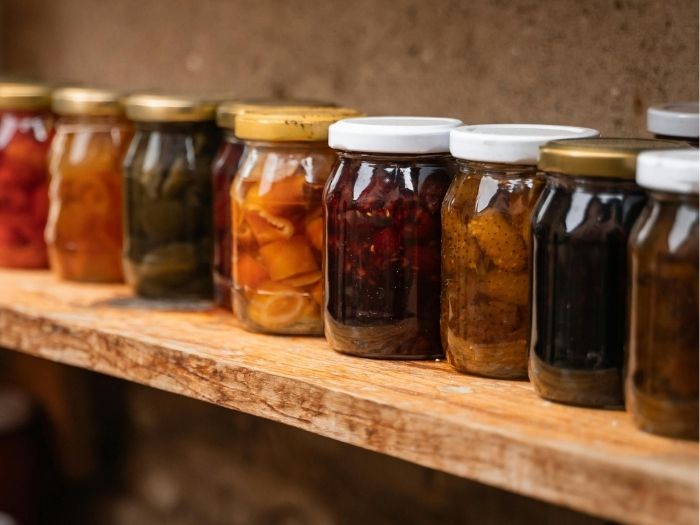
Imagine opening a container of food that has been sitting in your basement for over two decades and discovering it is still completely safe to eat. Most people think food goes bad after a few months or maybe a year, but some survival foods are engineered to last 25 years or longer.
The secret is not magic. It is a combination of preservation methods, packaging technology, and choosing foods with naturally low moisture content. Whether you are building an emergency supply, preparing for uncertain times, or just curious about food science, understanding how these foods achieve such remarkable longevity will change how you think about storage.
This article breaks down the top 25 foods that can outlast almost everything else in your home and why they last so incredibly long.
The Science Behind 25-Year Shelf Life Storage Foods
Before looking at which foods can last for decades, it helps to understand why food spoils in the first place.
Nearly all food spoilage is driven by the same few factors: moisture, oxygen, heat, and microscopic life.
Bacteria, mold, and yeast are always present in the environment, but they can only grow when conditions allow it. Moisture is the biggest trigger. When food contains enough available water, microorganisms can multiply and begin breaking food down from the inside.
At the same time, natural enzymes inside food become active, slowly changing texture, flavor, and nutritional quality. This is why fresh foods spoil quickly and why removing water through drying, freeze-drying, or adding salt or sugar dramatically slows the process.
Oxygen plays a major role as well, even when microbes are not involved. Exposure to air causes fats to oxidize, leading to rancid smells and off flavors, and it also degrades vitamins and color over time.
Heat speeds everything up by increasing chemical reactions and helping microbes grow faster.
When moisture, oxygen, and warmth are all present, spoilage accelerates rapidly.
Long-term food storage is not about magic expiration dates. Foods that last 25 years or more all share the same scientific foundations: low moisture, low oxygen exposure, minimal fat, chemical stability, and microbial hostility.
When these conditions are met, food degradation slows to a crawl.
The following foods demonstrate how chemistry, physics, and microbiology intersect to create foods capable of lasting decades when stored correctly.
25 Survival Foods That Last 25 Years or Longer
1. Freeze-Dried Fruits and Vegetables
Freeze-dried produce is one of the most versatile long-term storage options available. The freeze-drying process removes 98-99% of the moisture content while preserving the nutritional value, flavor, and structure of the food. When you remove nearly all the water, you eliminate the environment that bacteria, mold, and yeast need to grow.
The process works by freezing the food and then placing it in a vacuum chamber where the ice crystals turn directly into vapor without passing through a liquid state. This leaves behind the cellular structure intact, which is why freeze-dried strawberries look like strawberries and not shriveled raisins. When stored properly in airtight containers with oxygen absorbers, freeze-dried fruits and vegetables can last 25 to 30 years.
These foods rehydrate quickly when you add water, and they retain most of their original vitamins and minerals. You can eat them as crunchy snacks straight from the package or add them to meals. Popular options include strawberries, blueberries, peas, corn, broccoli, and green beans.
Freeze-dried foods are hygroscopic, meaning they rapidly absorb moisture from the air. Even brief exposure to humidity can reintroduce the conditions required for microbial growth and enzymatic activity. Proper sealing, oxygen absorbers, and moisture control are therefore not optional; they are the foundation of long shelf life.
2. White Rice
White rice is a staple survival food because it stores exceptionally well. Unlike brown rice, which contains oils in the bran layer that can go rancid, white rice has had these layers removed. This makes it far more stable for long-term storage.
When kept in airtight containers with oxygen absorbers and stored in a cool, dry place, white rice can last 30 years or more. The absence of moisture and oxygen prevents spoilage, and the low fat content means there is nothing to oxidize and create off flavors. Rice provides essential calories and carbohydrates, making it a foundational food in any long-term storage plan.
Most preppers store white rice in Mylar bags with oxygen absorbers inside food-grade buckets. This double layer of protection keeps out pests, moisture, and air. You want to avoid storing rice in areas with temperature fluctuations or high humidity.
Why It Outlasts Brown Rice: Brown rice contains natural oils that turn rancid within six months to a year, even under ideal conditions. White rice has these oils stripped away during processing, which is why it is bland but also why it lasts forever. The trade-off between nutrition and shelf life makes white rice the clear winner for emergency storage, though you will want to supplement it with other nutrient-dense foods.
3. Honey
Honey is one of the few foods that never expires. Archaeologists have found pots of honey in ancient Egyptian tombs that were over 3,000 years old and still perfectly edible. The reason honey lasts forever is due to its unique chemical composition.
Honey is extremely low in moisture and highly acidic, with a pH between 3.4 and 6.1. These two factors create an environment where bacteria and microorganisms cannot survive. Additionally, bees add an enzyme called glucose oxidase to honey, which produces hydrogen peroxide as a byproduct. This acts as a natural preservative.
Over time, honey may crystallize or change color, but this does not mean it has gone bad. You can return crystallized honey to its liquid state by gently warming it. As long as honey is stored in a sealed container and kept away from moisture, it will last indefinitely.
Honey’s antimicrobial properties are well-documented in medical literature, particularly for wound care. Its dual role as both a calorie-dense food and a functional antimicrobial substance makes it uniquely valuable in long-term storage scenarios.
4. Salt
Salt does not spoil because it is a mineral, not a biological substance. There is nothing in salt for bacteria or fungi to feed on, which means it lasts forever. The salt you find in ancient mines is chemically identical to the salt on your table.
For long-term storage, you want pure salt without additives. Iodized salt can last a long time, but the iodine may degrade over several years, reducing its nutritional benefit. Sea salt and kosher salt are excellent choices for storage. Keep salt in airtight containers to prevent it from clumping due to humidity, but even if it clumps, it is still perfectly safe to use.
Salt is essential for food preservation itself. You can use it to cure meats, preserve vegetables, and make foods last longer. Having a large supply of salt gives you the ability to preserve other foods you acquire.
Salt’s ability to preserve food through dehydration and microbial inhibition is why it has been central to human survival for thousands of years. In long-term storage planning, salt is not just a food item but a preservation tool that enables other foods to last longer.
5. Dried Beans and Legumes
Dried beans last for decades because they combine low moisture content with relatively low fat. Protein and starch are chemically stable when kept dry and protected from oxygen, allowing beans to remain safe to eat for 25 to 30 years or more.
Over time, beans undergo physical hardening as their internal cell walls become more rigid and resistant to water absorption. This does not indicate spoilage but does increase cooking time. Pressure cooking or alkaline conditions can break down these structures, restoring palatability.
Beans also provide essential amino acids, minerals, and fiber, and when combined with grains like rice, they create complete proteins through amino acid complementation.
6. Sugar
Sugar’s indefinite shelf life comes from its ability to bind water molecules, preventing microbial metabolism. This same mechanism explains why sugar has been used as a preservative for fruits and jams for centuries.
Sugar may harden or clump due to moisture loss or absorption, but these are physical changes that do not affect safety. When kept dry and sealed, sugar remains chemically stable indefinitely.
Beyond calories, sugar influences dopamine release in the brain, providing psychological comfort during stress. In prolonged emergencies, this neurological effect can be as important as its caloric value.
7. Instant Coffee and Tea
Instant coffee and dried tea leaves last decades because nearly all moisture has been removed, halting microbial growth and enzymatic activity. Caffeine itself is chemically stable over long periods, even when flavor compounds slowly degrade.
Stored away from light, oxygen, and humidity, coffee and tea remain safe and functional for 25 years or more, though aroma may diminish.
8. Powdered Milk
Powdered milk’s shelf life depends primarily on fat content. Nonfat powdered milk removes the primary driver of spoilage (lipid oxidation) allowing it to last 25 years or longer when oxygen and moisture are controlled.
Whole milk powder contains fats that oxidize over time, significantly shortening shelf life. Once opened, exposure to oxygen accelerates degradation, which is why smaller packaging is recommended.
Powdered milk supplies calcium, protein, and functional cooking properties that are difficult to replace with grains alone, making it nutritionally important beyond beverage use.
9. Pasta
Dried pasta lasts for decades because it exists in an unusually stable chemical state. Pasta is made primarily of starch with very little fat and extremely low moisture content, which eliminates the three primary drivers of food spoilage: microbial growth, enzymatic activity, and fat oxidation.
Without available water, bacteria and mold cannot reproduce, and without significant fat, there is little opportunity for rancidity to develop. When pasta is stored in airtight containers with oxygen absorbers, the remaining oxidative reactions slow to the point that meaningful degradation can take decades to occur.
The structural integrity of pasta also contributes to its longevity. During manufacturing, pasta is dried slowly under controlled conditions, which creates a dense, glass-like starch matrix. This structure is resistant to moisture absorption and physical breakdown over time.
Even egg noodles, which contain additional proteins and small amounts of fat from eggs, remain shelf stable for many years because the overall water activity remains too low to support spoilage reactions when oxygen and humidity are controlled.
One of pasta’s most scientifically interesting traits is that its flavor and texture remain remarkably consistent over time. Unlike beans that undergo structural hardening or grains that may slowly absorb ambient odors, properly stored pasta cooks almost identically to fresh pasta even after decades.
10. Oats
Oats achieve long shelf life through a balance of nutritional density and controlled fat stability. While oats contain more natural oils than rice or pasta, those fats are protected within the oat structure and degrade very slowly when oxygen and moisture are removed.
Rolled oats and steel-cut oats are minimally processed, which preserves their structural integrity and slows oxidation when stored in airtight, oxygen-free environments.
The difference in shelf life between regular oats and instant oats highlights the role of processing in food stability. Instant oats are pre-cooked and mechanically altered, increasing their surface area and exposing fats to oxygen, which accelerates oxidative reactions. This is why instant oats typically have a shorter storage window even when packaged similarly.
Steel-cut oats, by contrast, retain a dense structure that limits exposure to air and moisture, allowing them to remain stable for decades.
From a nutritional standpoint, oats remain valuable long after storage because their fiber, protein, and mineral content degrades very slowly under dry, oxygen-limited conditions. Their versatility also increases their practical shelf life, as they can be prepared in multiple forms that reduce menu fatigue.
11. Dehydrated Eggs
Dehydrated eggs last for decades because the dehydration process removes nearly all moisture, which immediately halts microbial growth and enzymatic reactions.
Commercially produced dehydrated eggs are processed under carefully controlled temperatures that prevent protein denaturation while still eliminating water. When combined with oxygen absorbers and airtight packaging, this creates an environment where biological decay is effectively paused.
Egg proteins are structurally complex but chemically stable when kept dry and oxygen-free. Unlike fats, proteins do not oxidize rapidly, and their amino acid structure remains intact for long periods in the absence of moisture. This allows dehydrated eggs to retain their nutritional value even after decades of storage, despite minor changes in flavor or aroma over time.
Dehydrated eggs solve one of the most difficult problems in long-term food storage: preserving a complete, functional protein source that does not require refrigeration and remains usable for both cooking and baking long after fresh eggs are unavailable.
12. Hard Grains
Hard grains such as wheat berries, spelt, kamut, and rye last for decades because nature designed them to do so. A grain kernel is a biological survival capsule, engineered to protect its nutrients until conditions are right for germination. When stored in a dry and oxygen-limited environment, those conditions never arrive, and the grain remains dormant rather than decaying.
Unlike flour, which exposes fats in the germ to oxygen and accelerates rancidity, whole grains keep those oils sealed inside the kernel. This dramatically slows oxidation and preserves both flavor and nutritional value. As long as moisture remains low, enzymatic activity that would normally support sprouting or decay cannot occur, allowing grains to remain stable for 30 years or more.
Grinding grain immediately before use unlocks its nutritional and culinary potential while avoiding long-term degradation. Freshly milled flour retains volatile compounds and oils that are otherwise lost during commercial processing and storage.
13. Baking Soda
Baking soda lasts indefinitely because it is a chemically stable inorganic compound. Sodium bicarbonate does not support microbial life, does not oxidize under normal storage conditions, and does not undergo spontaneous chemical breakdown when kept dry. As long as moisture is excluded, its molecular structure remains unchanged over time.
Its stability explains why baking soda maintains its effectiveness even after decades in storage. Unlike baking powder, it does not contain reactive acid components that degrade over time. This makes it uniquely reliable as both a food ingredient and a multipurpose household compound in long-term storage scenarios.
14. Cornstarch
Cornstarch achieves indefinite shelf life because it is almost pure starch, containing virtually no fat, protein, or moisture. Without fat, there is nothing to oxidize. Without protein, there is nothing for enzymes or microbes to break down. Without moisture, biological activity cannot begin. This combination places cornstarch among the most chemically inert food substances used in cooking.
When stored properly, cornstarch remains unchanged at the molecular level for decades. Its only real vulnerability is moisture intrusion, which allows mold to grow on the surface rather than causing internal spoilage. When kept dry, however, cornstarch does not degrade, ferment, or lose functionality.
15. Baking Powder
Baking powder’s longevity depends on controlling chemical reactivity rather than preventing spoilage. Baking powder is a mixture of alkaline and acidic compounds designed to react in the presence of moisture. When stored dry, that reaction remains dormant, preserving its leavening ability for many years.
Over time, small amounts of atmospheric moisture can slowly trigger partial reactions, reducing effectiveness rather than safety. This is why baking powder does not suddenly go bad but instead gradually loses potency. Proper sealing dramatically slows this process, allowing baking powder to remain functional far beyond its printed expiration date.
16. Vinegar
Vinegar lasts indefinitely because its acetic acid concentration creates an environment hostile to nearly all microorganisms. The low pH prevents bacterial enzymes from functioning and disrupts cellular membranes, effectively sterilizing the liquid without heat.
Changes in color or sediment formation over time are the result of harmless chemical rearrangements rather than spoilage. These changes do not reduce safety or usefulness. White distilled vinegar is especially stable because it lacks organic compounds that could degrade or oxidize.
Beyond its own longevity, vinegar acts as a preservation catalyst. Its acidity allows fresh foods to be transformed into shelf-stable products, effectively extending the life of other ingredients.
17. Soy Sauce
Soy sauce lasts for years because it combines multiple preservation mechanisms into one product. High salt concentration reduces water activity, fermentation byproducts inhibit microbial growth, and acidity further limits bacterial survival.
Over time, oxidation and Maillard reactions may deepen color and intensify flavor, but these changes do not compromise safety. Instead, they reflect slow chemical evolution rather than decay. Even after opening, soy sauce remains stable for years if contamination and moisture are minimized.
Flavor plays a critical role in sustaining appetite. When food becomes monotonous, people often eat less even when calories are available. Soy sauce interrupts this cycle by stimulating taste receptors and digestive responses, making it important as an important staple for enhancing food.
18. Bouillon Cubes and Soup Base
Bouillon cubes last for decades because they rely on salt dominance and dehydration rather than freshness. The extremely low moisture content prevents microbial growth, while high sodium levels inhibit enzymatic activity and bacterial survival.
Flavor compounds within bouillon are chemically stable when kept dry and oxygen-limited. While aroma may slowly fade, the product remains safe and usable for extended periods. This stability allows bouillon to act as a flavor reservoir that transforms otherwise bland staple foods.
19. Peanut Butter Powder
Peanut butter powder lasts significantly longer than traditional peanut butter because most of the oil has been removed. Fat oxidation is the primary cause of spoilage in nut products, and reducing fat content dramatically slows this process.
The remaining proteins and carbohydrates are chemically stable when kept dry and oxygen-free. This allows peanut butter powder to retain flavor and nutritional value for many years without refrigeration.
20. Coconut Oil
Coconut oil lasts longer than most oils because it is primarily composed of saturated fats, which are far more resistant to oxidation than unsaturated fats. This chemical stability slows rancidity and allows coconut oil to remain usable for many years under proper storage conditions.
Light, heat, and oxygen are the primary threats to coconut oil longevity. When these factors are controlled, degradation occurs extremely slowly. This makes coconut oil one of the most reliable long-term fat sources available.
Fat plays an essential role in calorie density, hormone regulation, and satiety. Coconut oil’s stability combined with its multifunctional uses in cooking and personal care make it uniquely valuable in extended storage scenarios.
21. Dried Herbs and Spices
Dried herbs and spices remain safe indefinitely because they lack moisture and do not support microbial growth. Over time, volatile aromatic compounds slowly evaporate or oxidize, reducing flavor intensity without creating spoilage.
Whole spices retain these compounds far longer than ground spices because their intact structure protects internal oils from exposure to oxygen and light. Proper storage dramatically slows this loss.
By enhancing flavor and stimulating digestive enzymes, spices help ensure stored food is not only eaten but properly absorbed.
22. Maple Syrup
Maple syrup lasts indefinitely because its high sugar concentration binds available water, preventing microbial growth. This creates the same preservation effect seen in honey and other concentrated sugar solutions.
Surface mold can occur when exposed to air, but the syrup beneath remains protected by its chemical environment. Proper handling restores safety without compromising long-term usability.
23. Ghee
Ghee lasts for decades because the clarification process removes water and milk solids, which are the primary sources of spoilage in butter. Without moisture, bacteria cannot grow, and without milk proteins, enzymatic degradation slows dramatically.
The remaining fat is relatively stable when stored away from light and oxygen. Traditional cultures recognized this stability long before modern food science, using ghee as a long-term fat reserve.
24. Hardtack and Crackers
Hardtack lasts for decades because it is baked until nearly all moisture is removed. Without water, microbial life cannot survive, and chemical reactions slow to a near halt.
When sealed against oxygen and humidity, hardtack becomes one of the most stable prepared foods ever created. Its simplicity is its strength, relying on physical dehydration rather than preservatives.
Historical examples demonstrate that extreme dryness is one of the most effective preservation techniques known.
Fun fact! Hardtack from the Civil War era has been found in museums and private collections that is over 150 years old and still technically edible. This extreme longevity is unmatched by almost any other prepared food. The fact that hardtack fed armies and navies through centuries of human conflict proves its reliability when modern conveniences disappear.
25. Canned Goods
While most canned goods have printed expiration dates of 2 to 5 years, properly canned food can actually last 25 years or longer. The canning process involves heating food to temperatures that kill bacteria and sealing it in airtight containers.
As long as the can remains intact with no rust, dents, or bulging, the food inside remains safe. The quality may decline over time, with changes in texture, color, and flavor, but the nutritional value and safety remain largely intact.
Canned meats, vegetables, fruits, and soups all store well for extended periods. Acidic foods like tomatoes may have slightly shorter shelf lives due to interaction with the can lining, but they still last 15 to 20 years in most cases.
Most preppers treat canned goods as medium-term storage and rotate them every few years, but understanding their true longevity means you can keep them as deep backup storage. Having layers of food storage with different timelines gives you flexibility. You can eat the older cans first while knowing the newest cans are your 25-year insurance policy. This rotation system ensures nothing truly goes to waste while maintaining a reliable long-term safety net.
Conclusion
If you ask me, the smartest move anyone can make is having at least a three-month supply of long-term storage food. I have seen too many situations where people wish they had prepared but did not because it seemed extreme or unnecessary. Then something unexpected happens, and suddenly they are scrambling. Food security is one of those things that only feels optional until the moment it is not.
The beauty of these 25 foods is that they do not require constant attention or expensive equipment. You buy them, store them correctly, and forget about them until you need them.
For many people, that also means choosing professionally packaged long-term storage meals that are designed using the same principles discussed in this article: low moisture, low oxygen, and stable ingredients with proven shelf lives.
Shopping for an emergency food bucket can remove the guesswork, save time, and ensure you have reliable options that are ready when you need them.
That is real preparedness. It is not paranoia. It is common sense wrapped in a Mylar bag.